
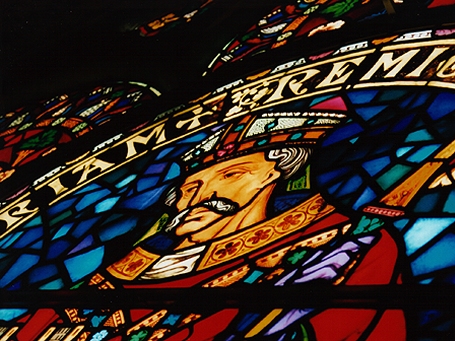
Most of the holy days celebrated or noted in Pagan and Christian religions are fixed, meaning that they are celebrated on the same day every year. Other sacred or festival days are movable and change every year as the equinoxes and solstices vary by as much as a day from year to year.
Many of the traditions and customs practiced on holy days and during celebrations can be traced back to the Druids. Animals, stones, plants, and other natural items and locales were endowed with feelings which were incorporated into festivals and celebrations.
These customs were so firmly established in the hearts and minds of the people, that when Christianity was finding a foothold in the British Isles, the Church of Rome integrated and sanctified them. The Church slowly drew the people in by allowing old festivals to continue with a coat of Christianity overlaid upon them. The magical powers believed to be associated with specific things and places were transferred, their powers now attributed to God.
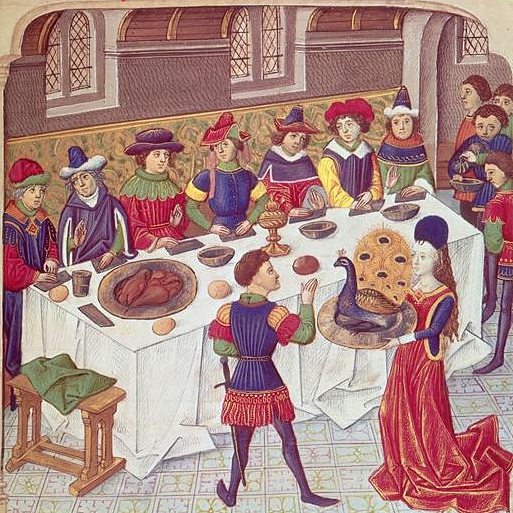
In some cases the lavishness of noble tables was outdone by Benedictine monasteries, which served as many as sixteen courses during certain feast days. ... Read more at Wikipedia.
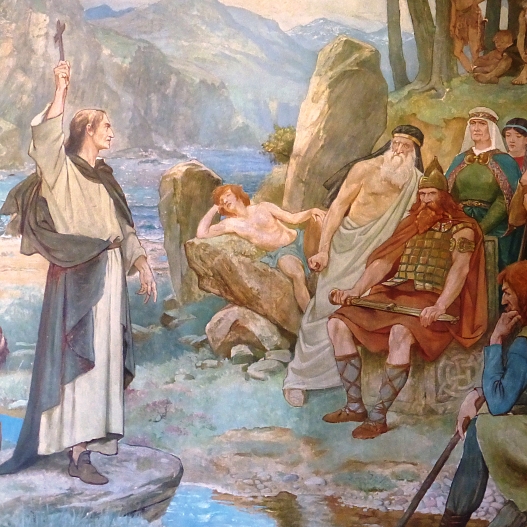
The Anglo-Saxon conversion in particular was a gradual process that necessarily included many compromises and syncretism (combining of different beliefs) ... Read more at Wikipedia.